Ashia Ray [they/them]
Ashia Ray is the Head Custodian of Infodumpery at Raising Luminaries, helping caregivers juggle advocacy and care work without losing their marbles.
Posts may contain affiliate links and sponsorships, which allow me to earn a commission at no extra cost to you.
DISMANTLING SUPREMACY SERIES
Accountability group & family discussion prompts for raising the next generation of kyriarchy-smashers.
Stay in touch with our free email updates
Posts may contain affiliate links and sponsorships, which allow me to earn a commission at no extra cost to you.
Posts may contain affiliate links and sponsorships, which allow me to earn a commission at no extra cost to you.
In this Collab Lab discussion series, we talk about supremacy culture and our responsibility to examine it within ourselves and our communities.
This work is best done in community: Join the Winter Incubator and Summer Luminator for space to work through this together.
In the Collab Lab, we’re connecting to pick our battles with intention. Let’s examine how our compulsion to over-work causes harm to those we hold power over.
What stories did you grow up with about the value of hustle and ‘hard work?’
What POLICY will you follow to develop that skill?
Example: Checking in with an accountability partner before committing to another initiative.
How can you PRACTICE this policy – starting today?
Example: Writing an email to a collaborator about options for releasing a task that has become toxic or unsustainable.
What RELATIONSHIPS will you strengthen?
Example: Agreeing with a colleague to check in with each other when you recognize you’re taking on too much.
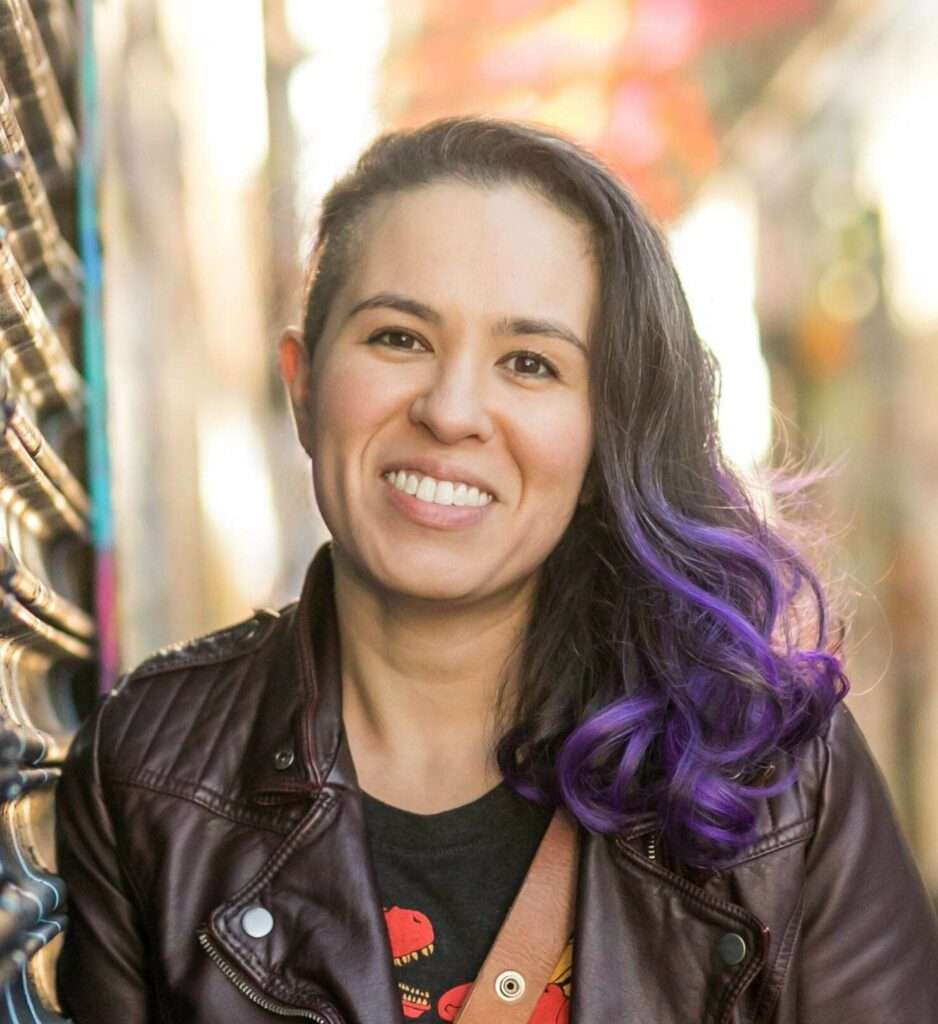
Ashia Ray [they/them]
Ashia Ray is the Head Custodian of Infodumpery at Raising Luminaries, helping caregivers juggle advocacy and care work without losing their marbles.
Learn more & donate to the Wôpanaâk Language Reclaimation Project.
Ashia Ray & Raising Luminaries are participants in the Amazon Services LLC Associates Program and the Bookshop.org Affiliate Program, affiliate advertising programs designed to provide a means for me to earn fees by linking to Amazon.com, Bookshop.com, and affiliated sites.
Photographs via Unsplash & Illustrations via Storyset, used with permission.
©2014-2026 Ashia Ray of Raising Luminaries™. All rights reserved.